Purchasing a new home is an exciting milestone, but it also comes with a host of responsibilities, especially when it comes to maintaining or upgrading essential systems like HVAC. If you’re considering replacing the HVAC system in your recently purchased home, understanding the system’s history is crucial. Inspection records can provide valuable insights into the condition, maintenance, and potential issues of the existing HVAC setup. Knowing which records to request and how to interpret them can help you make informed decisions, avoid unexpected expenses, and ensure your new home remains comfortable and energy-efficient for years to come.
What to Expect from HVAC Inspection Records
Why HVAC Inspection Records Matter
HVAC inspection records are more than just paperwork; they are a window into the past performance and care of your home’s heating and cooling system. These documents typically include details about previous maintenance, repairs, and any issues that have been identified by professionals. When you’re replacing an HVAC system, these records can reveal patterns of recurring problems, the age of key components, and whether the system has been properly maintained. This information is vital because it helps you determine if the existing ductwork, electrical connections, or other infrastructure can support a new system or if additional upgrades are necessary. Without these records, you might overlook hidden issues that could lead to costly repairs or inefficiencies after installation. Reviewing inspection records also allows you to verify that any warranties or service agreements are still valid, which can save you money and provide peace of mind as you transition to a new HVAC system.
Key Documents to Request from Sellers
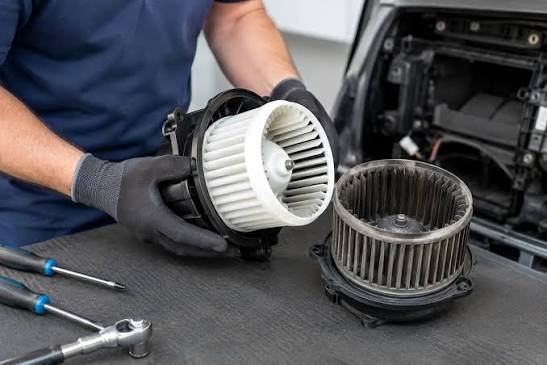
When you’re preparing to replace the HVAC system in your new home, it’s important to request comprehensive inspection records from the previous owners or their real estate agent. These records should include recent inspection reports, maintenance logs, and documentation of any repairs or replacements. By examining these documents, you can assess the overall health of the system and identify any recurring issues that may affect your replacement plans. For example, if the records show frequent repairs to the blower motor or compressor, it could indicate underlying problems with the system’s design or installation. Additionally, maintenance logs can reveal whether the system has been serviced regularly, which is a good indicator of its longevity and reliability. If you’re unsure about what to look for in these records, you can learn this here now by consulting reputable HVAC resources or speaking with a qualified technician who can help you interpret the information and make informed decisions about your replacement options.
Understanding Inspection Reports
Inspection reports are a critical component of the documentation you should request when considering an HVAC replacement. These reports typically provide a detailed assessment of the system’s current condition, including the age and efficiency of the equipment, the state of the ductwork, and any safety concerns. A thorough inspection report will also note any code violations or areas where the system does not meet current standards. This information is essential because it can influence the type of replacement system you choose and whether additional work will be required to bring your home up to code. For instance, if the inspection report highlights issues with airflow or insulation, you may need to address these problems before installing a new HVAC unit to ensure optimal performance and energy efficiency. Understanding the findings in these reports can help you avoid unexpected setbacks and ensure a smooth transition to your new system.
The Role of Maintenance Logs
Maintenance logs are another valuable resource when evaluating the need for an HVAC replacement. These logs provide a chronological record of all service visits, filter changes, and minor repairs performed on the system. By reviewing this information, you can gauge how well the previous owners cared for the HVAC equipment and whether any recurring issues have been addressed or ignored. Regular maintenance is a strong indicator that the system has been kept in good working order, which can extend its lifespan and improve its efficiency. On the other hand, gaps in the maintenance history or evidence of neglected repairs may signal that the system is more likely to experience problems in the future. This knowledge can help you decide whether to invest in repairs or proceed with a full replacement, as well as anticipate any additional costs that may arise during the installation process.
What to Do If Records Are Missing
Sometimes, you may find that inspection records or maintenance logs are incomplete or missing altogether. In these cases, it’s important not to proceed blindly. Instead, arrange for a comprehensive inspection by a licensed HVAC technician before making any decisions about replacement. A professional assessment can uncover hidden issues, such as leaks, faulty wiring, or inadequate insulation, that might not be immediately apparent. This step is especially important if the home is older or if the HVAC system appears to be nearing the end of its expected lifespan. By obtaining a current inspection, you can establish a baseline for the system’s condition and make more informed choices about the type and scope of replacement needed. This proactive approach can help you avoid costly surprises and ensure that your new HVAC system will operate safely and efficiently.
How Inspection Records Affect Replacement Choices
Inspection records play a significant role in determining the most suitable replacement options for your home’s HVAC system. The information contained in these documents can influence your choice of equipment, the need for additional upgrades, and the overall cost of the project. For example, if the records indicate that the existing ductwork is in poor condition or not properly sized, you may need to invest in duct repairs or modifications to ensure compatibility with a new system. Similarly, if the inspection reveals outdated electrical components or safety hazards, these issues must be addressed before installation can proceed. By taking the time to review and understand the inspection records, you can work with your HVAC contractor to develop a replacement plan that meets your home’s specific needs and complies with local building codes. This careful planning can help you achieve better performance, lower energy bills, and greater comfort in your new home.
The Importance of Professional Guidance
Replacing an HVAC system is a significant investment, and having access to accurate inspection records can make the process much smoother. Consulting with a licensed HVAC technician is highly recommended, especially if you have questions about the records or the condition of your system. A professional can help you interpret the information, identify potential issues, and recommend the most appropriate replacement options for your home. They can also ensure that the installation is completed safely and in compliance with all relevant regulations. By seeking professional guidance, you can avoid common pitfalls and ensure that your new HVAC system will provide reliable performance for years to come.
Conclusion
Replacing the HVAC system in a recently purchased home is a major decision that requires careful consideration and thorough preparation. Requesting and reviewing inspection records is an essential step in this process, as these documents provide valuable insights into the system’s history, condition, and maintenance. By understanding what to look for in inspection reports and maintenance logs, you can make informed choices about your replacement options and avoid unexpected expenses. If records are missing or incomplete, arranging for a professional inspection can help fill in the gaps and ensure that your new system will operate safely and efficiently. Taking the time to gather and review this information will help you protect your investment and enjoy a comfortable, energy-efficient home for years to come.