After replacing the blower motor in your air conditioning system, you might expect your home to feel comfortable and evenly cooled once again. However, it can be frustrating to discover that some rooms are still warmer or cooler than others, even after this important repair. Uneven cooling can make it difficult to relax indoors, especially during the hottest months. Understanding why this issue occurs after a blower motor replacement is essential for restoring comfort and efficiency to your living space. Several factors could be contributing to the problem, and addressing them promptly can help you achieve consistent cooling throughout your home.
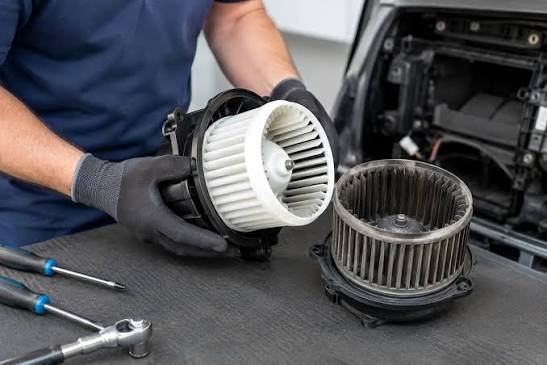
What to expect after blower motor replacement
Common Causes of Uneven Cooling
Uneven cooling after a blower motor replacement can be caused by several factors related to both the installation process and the overall condition of your HVAC system. One of the most common reasons is improper installation of the new blower motor. If the motor is not correctly aligned or securely mounted, it may not distribute air evenly through the ductwork. This can result in some rooms receiving more airflow than others, leading to noticeable temperature differences. Additionally, the new blower motor may not be compatible with your existing system, especially if it has a different speed or power rating than the original. This mismatch can affect the volume and pressure of air moving through your ducts, further contributing to uneven cooling.
Another potential cause is the condition of your ductwork. Over time, ducts can develop leaks, blockages, or become disconnected, which can significantly impact airflow distribution. Even if the blower motor is functioning perfectly, damaged or dirty ducts can prevent cool air from reaching certain areas of your home. It is important to have your ductwork inspected and cleaned regularly, especially after major repairs like a blower motor replacement. If you suspect that your ducts are the source of the problem, it may be time to check it out with a professional HVAC technician to ensure your system is operating efficiently.
Airflow and Ductwork Issues
Airflow problems are a leading cause of uneven cooling, particularly after a blower motor has been replaced. The blower motor is responsible for pushing conditioned air through the ducts and into each room of your home. If the new motor is not calibrated correctly or if there are issues with the ductwork, the airflow may be restricted or redirected in unintended ways. For example, ducts that are too small or have sharp bends can create resistance, making it difficult for air to reach distant rooms. Similarly, ducts that are partially blocked by debris, dust, or insulation can reduce the amount of cool air delivered to certain areas.
Another factor to consider is the presence of leaks or gaps in the ductwork. Even small leaks can cause significant losses in air pressure, resulting in uneven cooling. These leaks often go unnoticed because they are hidden behind walls or in attics and crawl spaces. After a blower motor replacement, the increased airflow from a new, more powerful motor can sometimes exacerbate existing leaks, making the problem more noticeable. Sealing and insulating your ducts can help improve airflow and ensure that each room receives the right amount of cool air. Regular maintenance and inspection of your ductwork are essential for maintaining consistent comfort throughout your home.
Thermostat and Zoning Problems
The thermostat plays a crucial role in regulating the temperature throughout your home. If your thermostat is not functioning properly or is located in an area that does not accurately reflect the overall temperature, it can cause uneven cooling. For example, if the thermostat is placed near a vent or in direct sunlight, it may register a cooler or warmer temperature than the rest of the house, causing the system to cycle on and off at inappropriate times. This can leave some rooms too warm while others become too cold.
Zoning systems, which use multiple thermostats and dampers to control the temperature in different areas of the home, can also contribute to uneven cooling if they are not set up or calibrated correctly. After a blower motor replacement, it is important to ensure that your zoning system is working in harmony with the new motor. If the dampers are not opening and closing as they should, or if the thermostats are not communicating properly with the HVAC system, certain zones may not receive adequate cooling. Addressing thermostat and zoning issues can help restore balanced temperatures throughout your home and improve overall comfort.
The Importance of Proper Sizing
Proper sizing of both the blower motor and the entire HVAC system is essential for achieving even cooling. If the new blower motor is too powerful or not powerful enough for your system, it can create imbalances in airflow and temperature distribution. An oversized motor may push too much air through the ducts, causing noise, drafts, and uneven cooling. On the other hand, an undersized motor may struggle to deliver enough air to all areas of your home, leaving some rooms warmer than others.
It is also important to consider the size of your air conditioning unit relative to the size of your home. An HVAC system that is too large or too small for your living space will have difficulty maintaining consistent temperatures. A professional HVAC technician can perform a load calculation to determine the appropriate size for your system and recommend the right blower motor for your needs. Ensuring that all components are properly sized and matched can help eliminate uneven cooling and improve the efficiency of your air conditioning system.
Quick Fixes and When to Call for Help
If you notice uneven cooling after a blower motor replacement, there are a few simple steps you can take before calling for professional help. Start by checking your air filters and replacing them if they are dirty or clogged, as restricted airflow can contribute to temperature imbalances. Make sure all vents and registers are open and unobstructed, allowing air to flow freely into each room. You can also inspect your thermostat settings to ensure they are appropriate for your comfort needs. If these quick fixes do not resolve the issue, it may be time to contact an HVAC technician to diagnose and address more complex problems with your system.
Preventing Future Uneven Cooling
Preventing uneven cooling in the future requires regular maintenance and attention to your HVAC system. Scheduling annual inspections and tune-ups can help identify potential issues before they become major problems. Keeping your ductwork clean and sealed, replacing air filters regularly, and ensuring that your thermostat and zoning systems are functioning properly can all contribute to more consistent cooling throughout your home. Additionally, working with a qualified HVAC technician when replacing major components like the blower motor can help ensure that the installation is done correctly and that all parts are compatible with your existing system. Taking these proactive steps can help you enjoy a comfortable and evenly cooled home year-round.
Conclusion
Uneven cooling after a blower motor replacement can be a frustrating experience, but understanding the potential causes can help you address the issue effectively. Factors such as improper installation, ductwork problems, thermostat and zoning issues, and incorrect sizing can all contribute to temperature imbalances in your home. By taking the time to inspect your system, perform regular maintenance, and seek professional assistance when needed, you can restore comfort and efficiency to your living space. Consistent cooling is achievable with the right approach, ensuring that every room in your home remains comfortable no matter the season.