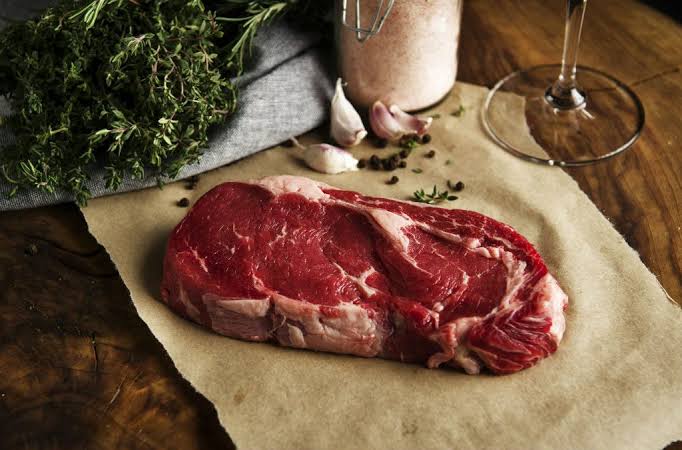
The taste of meat is influenced by a variety of factors, but one of the most significant is the animal’s diet. Grass-fed meat has gained popularity among consumers who are seeking a more natural and flavorful eating experience. Unlike grain-fed animals, those raised on pasture develop unique flavor profiles that reflect their environment and what they eat. This difference is not just about taste; it also encompasses texture, aroma, and even nutritional content. Understanding what sets grass-fed meat apart can help consumers make informed choices about the food they bring to their tables.
Why Grass-Fed Meat Stands Out
The Role of Diet in Flavor Development
The diet of livestock plays a crucial role in shaping the flavor of the meat they produce. Animals that graze on open pastures consume a diverse array of grasses, herbs, and wild plants, each contributing subtle notes to the final taste. This variety in diet leads to a more complex and sometimes earthier flavor profile compared to grain-fed meat, which tends to be milder and fattier. The natural foraging behavior of grass-fed animals also means their muscles are more developed, resulting in a firmer texture. The interplay between diet and physical activity creates a product that is distinct in both taste and mouthfeel, offering a culinary experience that is closely tied to the land.
Environmental Influence on Meat Quality
The environment in which animals are raised has a profound impact on the quality and flavor of their meat. Pasture-raised livestock are exposed to changing seasons, varying weather conditions, and a wide range of plant species. These factors contribute to the development of unique flavors that are often described as richer and more nuanced than those found in conventionally raised meat. For example, the lush, temperate pastures of New Zealand are renowned for producing lamb with a delicate, clean taste, which is why New Zealand Spring Lamb is highly regarded by chefs and home cooks alike. The terroir, or the specific characteristics of the land, imparts a signature flavor that cannot be replicated elsewhere, making grass-fed meat a true reflection of its origin.
Nutritional Differences and Their Impact
Grass-fed meat is not only different in taste but also in its nutritional profile. Animals that graze on pasture tend to have higher levels of omega-3 fatty acids, conjugated linoleic acid, and antioxidants such as vitamin E. These nutrients contribute to the overall health benefits of grass-fed meat and can also influence its flavor. The presence of healthy fats gives the meat a cleaner, more pronounced taste, while the antioxidants help preserve freshness and color. Additionally, the leaner nature of grass-fed meat means it cooks differently, often requiring more careful preparation to maintain tenderness and juiciness. These nutritional differences are a direct result of the animal’s natural diet and active lifestyle, further distinguishing grass-fed meat from its grain-fed counterparts.
Texture and Cooking Considerations
One of the most noticeable differences between grass-fed and grain-fed meat is texture. Grass-fed meat is typically leaner, with less marbling of fat throughout the muscle. This results in a firmer bite and a more robust chew, which some consumers find more satisfying. However, the lower fat content also means that grass-fed meat can dry out more quickly if overcooked. Proper cooking techniques, such as lower temperatures and shorter cooking times, are essential to preserve the natural juiciness and tenderness of the meat. The unique texture of grass-fed meat is a direct reflection of the animal’s active lifestyle and natural diet, offering a different sensory experience that appeals to those seeking authenticity in their food.
A Short Note on Sustainability
Grass-fed farming practices are often associated with more sustainable land use and animal welfare. By allowing animals to graze on open pastures, farmers can promote soil health, biodiversity, and reduced reliance on synthetic inputs. This approach not only benefits the environment but also supports the production of high-quality meat with distinctive flavors.
Regional Variations in Grass-Fed Meat
The flavor of grass-fed meat can vary significantly depending on the region where the animals are raised. Factors such as climate, soil composition, and the types of grasses available all play a role in shaping the final product. For instance, meat from animals raised in coastal regions may have subtle hints of saltiness, while those from mountainous areas might develop more herbaceous notes. These regional differences are celebrated by chefs and food enthusiasts who appreciate the diversity and complexity that grass-fed meat can offer. By choosing meat from specific regions, consumers can experience a wide range of flavors and textures, each telling a story about the land and the animals that inhabit it.
Consumer Preferences and Market Trends
As awareness of food origins and production methods grows, more consumers are seeking out grass-fed meat for its perceived health benefits and superior taste. This shift in demand has led to an increase in the availability of grass-fed options in supermarkets and restaurants. Producers are responding by adopting more transparent and sustainable practices, ensuring that their products meet the expectations of discerning customers. The growing popularity of grass-fed meat is also driving innovation in farming techniques and supply chains, making it easier for consumers to access high-quality, flavorful meat. This trend reflects a broader movement toward food that is both delicious and responsibly produced.
Conclusion
Grass-fed meat stands apart from conventional options due to its unique combination of flavor, texture, and nutritional benefits. The animal’s natural diet, active lifestyle, and the environment in which it is raised all contribute to a product that is both distinctive and deeply connected to its origins. As more people become interested in the story behind their food, grass-fed meat offers an opportunity to enjoy a richer, more authentic eating experience. Whether it’s the subtle nuances imparted by regional pastures or the healthful qualities of a natural diet, grass-fed meat continues to capture the attention of those who value quality and sustainability in their meals.